Astrophysicist · Radio transients · Black holes

Understanding compact objects through the dynamic Universe

I am an astrophysicist and Forrest Research Foundation Fellow at ICRAR–Curtin University. I study how black holes and neutron stars accrete matter, interact with their environments, and launch jets and outflows.

My research combines radio observations, multiwavelength astronomy and physical modelling to investigate tidal disruption events and other rapidly evolving cosmic explosions.

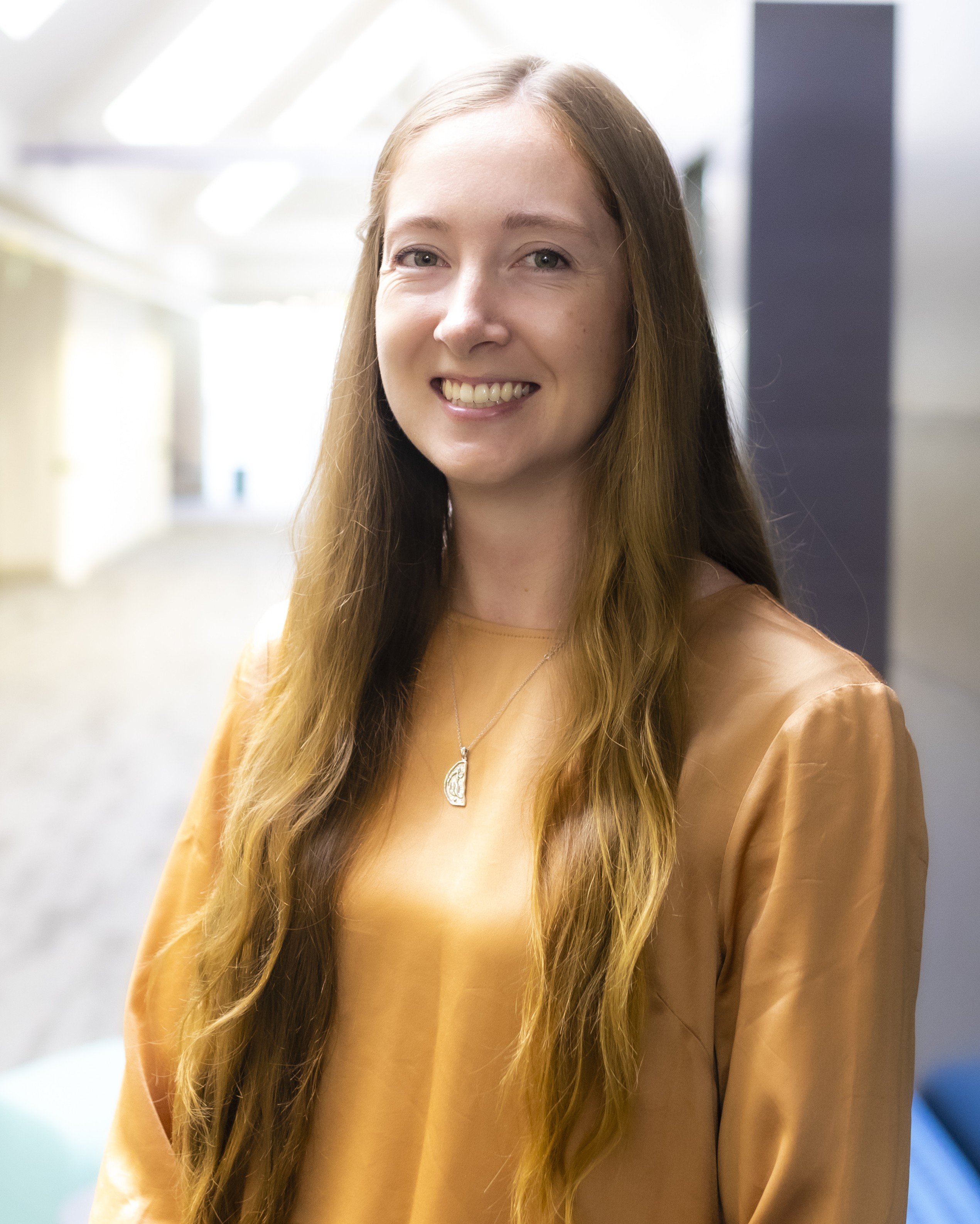
Professional portrait

About

Studying how compact objects grow and eject matter

How compact objects grow, what environments they inhabit, and how they eject material are fundamental open questions in astrophysics. My work addresses these questions using radio observations of transient events, supported by multiwavelength data and theoretical modelling.

I received my PhD in 2021 from Monash University for my thesis titled "On the nature of neutron stars in accreting systems". Since then I have been a postdoctoral researcher at ICRAR-Curtin University working on accreting black hole research.

I lead international observing programmes with facilities around the world including the Australia Telescope Compact Array, the Very Large Array, MeerKAT, and the GMRT. I also supervise research students and contribute to university teaching, professional service and public engagement.

My earlier research focused on accreting neutron stars, X-ray binaries and thermonuclear X-ray bursts. This work continues to inform my broader programme on accretion and outflows from compact objects.
Research

The physics behind cosmic explosions

My research connects transient discovery with long-term radio monitoring and physical modelling to reveal how compact objects accrete matter, launch outflows and shape their environments.

Radio transients, jets & outflows

Following cosmic explosions over months and years

Black holes are some of the Universe's most efficient particle accelerators. Radio emission traces shocks as material accelerated and ejected collides with its surroundings. I combine observations from major radio facilities with synchrotron modelling to constrain outflow energetics, geometry and evolution.

Nuclear transients & QPEs

Probing black holes in galactic nuclei

Quasi-periodic eruptions, repeating partial disruptions and other nuclear transients are revealing unexpected behaviour around low-mass massive black holes. I use radio follow-up to search for ejections and test how these systems accrete.

Compact objects & accretion

Connecting neutron stars and black holes

How does matter behaves in extreme gravitational environments? Observations of thermonuclear X-ray bursts provide the rare opportunity to witness emission directly from the surface of a compact object. My work on observing and modelling the surface of neutron stars aims to understand the physical processes that occur in such extreme environments.

Publications

Selected work

I have over 50 peer-reviewed publications including 16 as first-author. I have a H-index of 24 and my publications have accumulated mored than 1500 citations.

Outreach & public engagement

Astronomy in action

I am passionate about sharing my knowledge of the Universe with the next generation of astronomers. I regularly engage with schools, teachers, community groups, public audiences and the media to share my expertise and excitement for astrophysics. Recent engagements include the Perth Observatory Summer Lecture, an invited keynote at It Takes a Spark, and a teachers' conference at the Kavli Institute for Theoretical Physics in Santa Barbara.

Invite me to speak
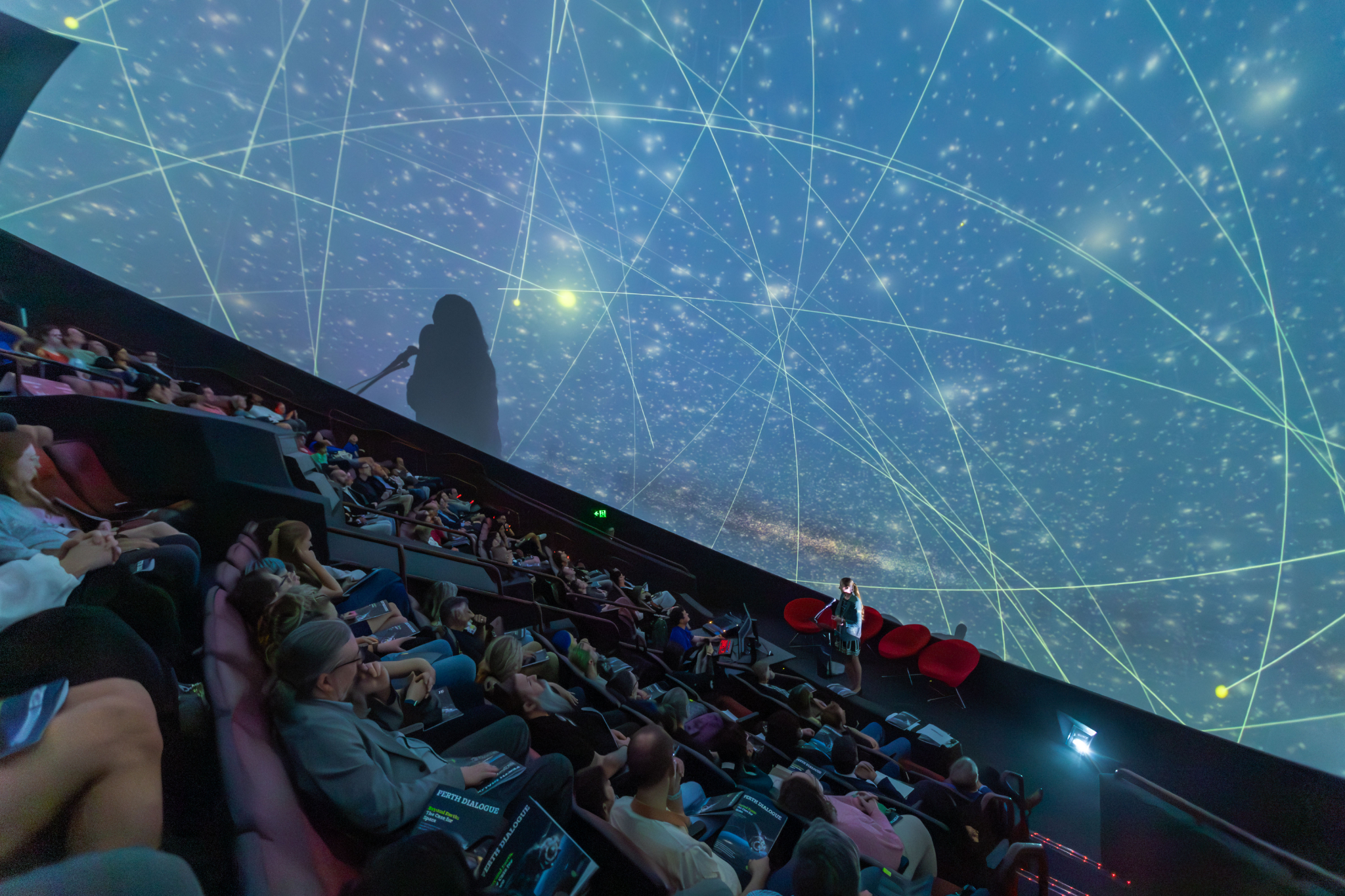
Speaker presenting beneath a large planetarium dome filled with projected stars and orbital tracks
Public talks and science communication
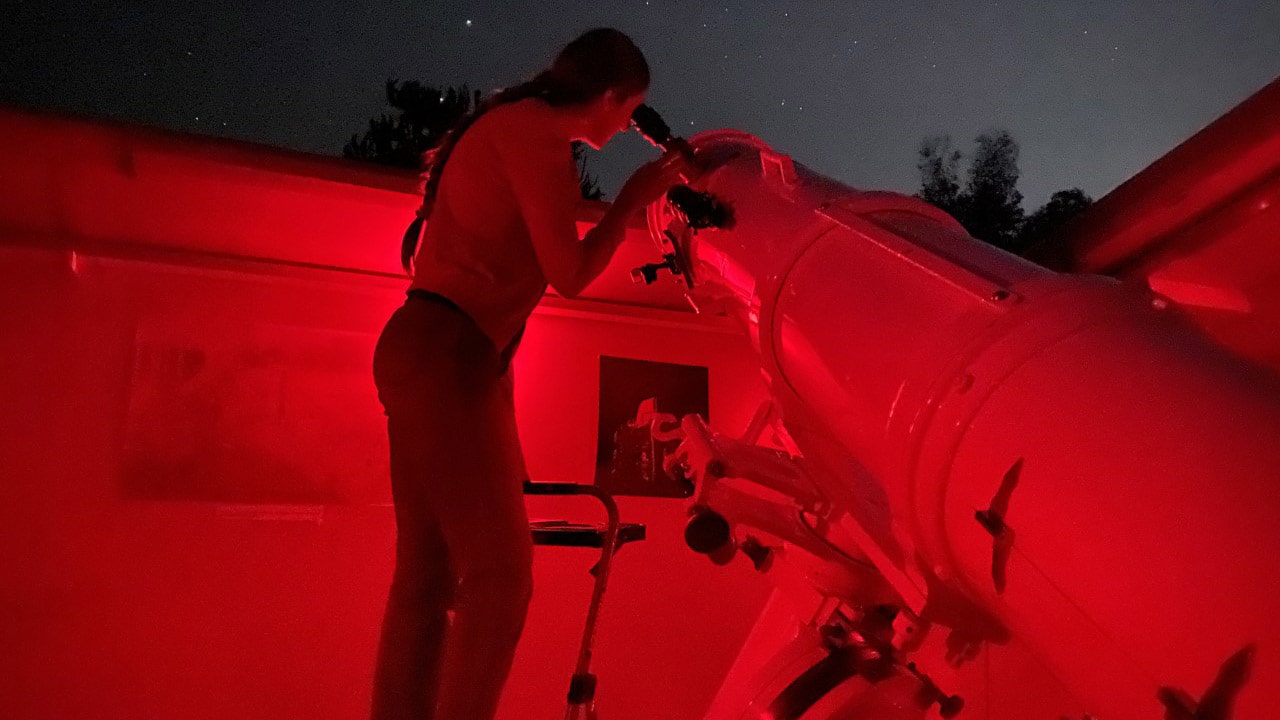
Person using a telescope at night under red observatory lighting
Night sky tours
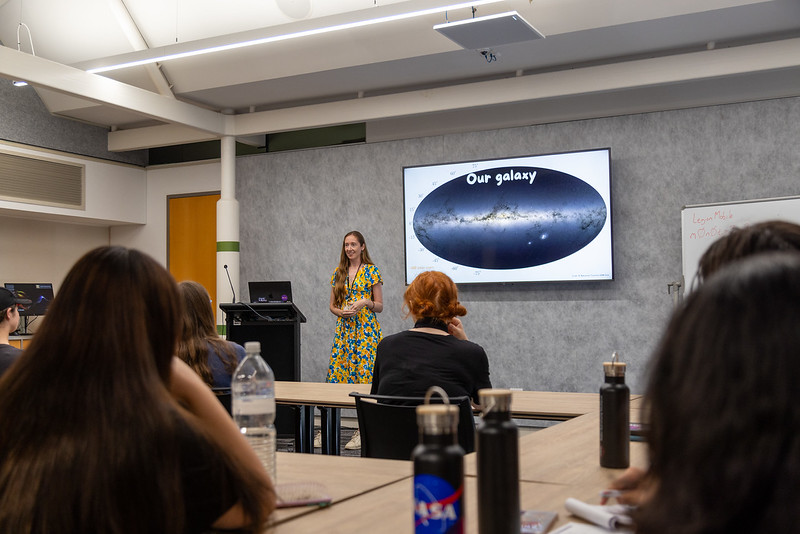
Speaker teaching in a classroom with a projected map of the Milky Way
Teaching and student engagement
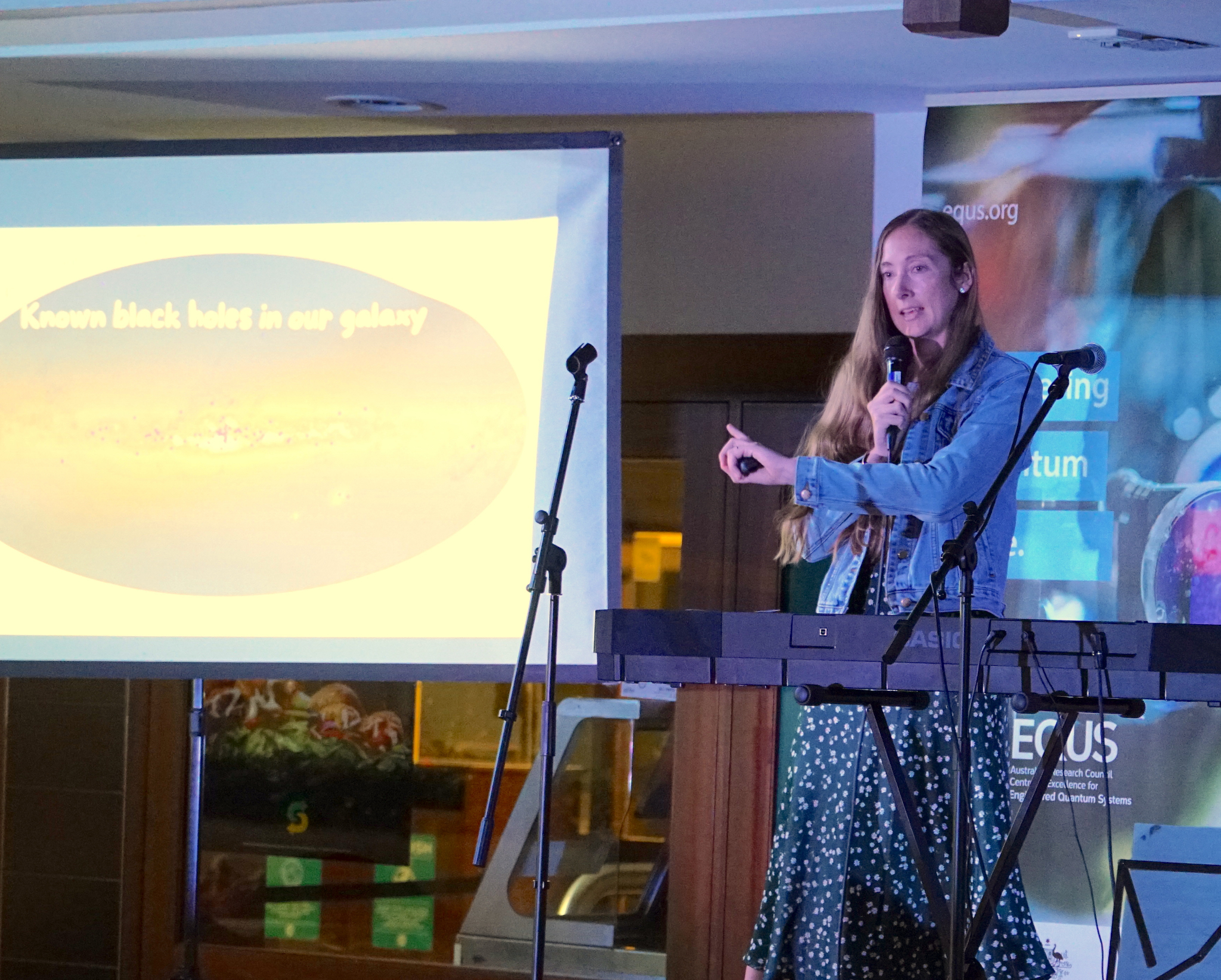
Speaker giving a public presentation beside a projected astronomy slide
Interactive workshops for schools and events

Supervision

Student research projects

I supervise PhD, Honours and undergraduate research projects in radio transients and compact-object astrophysics. To date, I have supervised 1 PhD student to completion, currently am the primary supervisor of 2 PhD students at Curtin University, have supervised 3 Honours projects, and over 14 undergraduate projects. I am open to enquries from propspective students ranging from undergraduate to PhD levels. Projects can involve radio interferometry, transient astronomy, scientific programming, data analysis and physical modelling, depending on the students experience and interests.

Ask about student projects

01

Radio emission from tidal disruption events

Use multi-epoch radio data to investigate outflows launched when stars are destroyed by massive black holes including illimunating the environment of quiescent black holes and how much energy the outflows carry away.

02

Jets and outflows from cosmic transients: how are accretion flows and outflows coupled across the mass scale?

Incorporating multiwavelength data to constrain and understand when and how outflows and jets are launched by accretion flows.

03

Modelling thermonuclear explosions

Thermonuclear X-ray bursts are the most common thermonuclear explosions in the Universe. Modelling them helps us learn about nuclear reaction pathways we cannot replicated on Earth, as well as how matter behaves at the densities reached in neutron stars.

Contact

Let's talk about black holes

I welcome enquiries from prospective research students, collaborators, schools, teachers, event organisers, and journalists.

Dr Adelle Goodwin

ICRAR, Curtin University
Perth, Western Australia

ajgoodwin.astro@gmail.com